

Lessons from Japan’s sports industry
Why Sports in Japan make an excellent remote classroom for school study trips
Japan offers a unique traditional and modern view of sports and sports education from lessons of teamwork embedded into cultural practices of the community and schools to unique sports and museums alike.
From an early age, children engage in Bakatsu, or extracurricular club activities, which supports core values of responsibility. Embedded in the Japanese sports education are elements of the spiritual and mental sides of things, or Sishin Kyoiku. Additionally, throughout many organizational structures, sports included a mentorship structure known as senpai-kohai. This structure instills a respect for those who are older and the responsibility to educate the next generation in those who are older.
Sports don’t just perpetuate youth, they exist in the corporate setting with organized sports teams and in the professional sense with competitive athletes, and even on the recreational side supporting longevity of the communities and local culture with events. Companies in Japan are highly active in Japanese sports too—not just as sponsors, but as true innovators identifying ways to perfect the sport.
With our partners, TokudAw offers a variety of experiences or Treasure SessionsTM that help groups experience these elements of Japanese sports culture, forging teamwork and bonding, and inspiring innovation.
What are pillars of the sports that classes and schools can learn from?
Seishin Kyoiku:
This is the mental education that teaches respect for others and how to approach things with a strong character. It is often experienced through overcoming endurance challenges or hard schedules and felt in moments of comradery, harmony and group collaboration.
Senpai-Kohai Dynamics:
This pillar is all about teaching etiquette and encouraging social rules. It is experienced in moments that reinforce showing respect those older or with more experience than you and reinforcing the supporting role of new-comers can play with their field of knowledge and that which someone with more knowledge can play—mentorship.
The teamwork found in Japanese Events
A visit to Japan during the summer will undoubtedly encounter a matsuri, or a summer festival. Often the local shrine will carry a small house mounted on poles. This is known as a mikoshi. The event, while not an official “sport” is a community event, where participants young and old come together to host the event.
The same experience can be seen at summer dance festivals known as “odoris”. These are often coordinated group dance events, where young and old come together to perform a choreographed dance.
Central to both of these events are drummers, sometimes referred to as taiko drummers. They’re often seen performing in unison leading the rhythm or pace of the processions.
The common theme is collaboration. No one person is more important than the next—everyone in coordination and working together creates the event. The same principle is true in Japanese sports. Students learn how to contribute regardless of ability, how to look after rituals and traditions for the future, how to overcome difficult obstacles and position each person for success.
In a B2B and educational context, we can stop to observe how building rituals to support a group’s collaboration are important and we can observe how to find roles for each member of a team—leaving no one behind. TokudAw partners with festival organizers so that your team can experience the magic of Japanese summers regardless of season.
The art of preparing the mind and body
From an early age, athlete or not, Japanese people learn to prepare the body for the day’s demands. Each day, the day begins with a light exercise broadcast nationwide, known as Radio Taiso. An early visit to local shrines might reveal a community group participating in this daily stretch. Each year at a yearly sports day assembly, known as an Undokai, students showcase their stretching routines to their family. Workers at physical jobs such as Yamamoto or even some office working jobs also start their day with organized stretches.
Witnessing this daily ritual encourages leaders to think about what could be done to prepare people for the tasks ahead and reduce the likelihood for accidents.
The art innovation in sports
Several destinations place Japan’s ingenuity on display. At the Toyota Commemorative Museum of Industry and Technology in Nagoya, visitors can experience how Japan’s Kaizen philosophy of continuous improvement led Toyota to grow from a textile manufacturer to engineering powerhouse. Not only does the company produce award winning vehicles, which are competitively driven, the company’s heritage in textiles continues with recent high-performance innovations in athletic materials. The museum showcases how the Kaizen approach lead to micro innovations in looms and fabrics over the company’s history. This ultimately impacts today’s materials with top-notch breathable, water resistant and wind-proof materials.
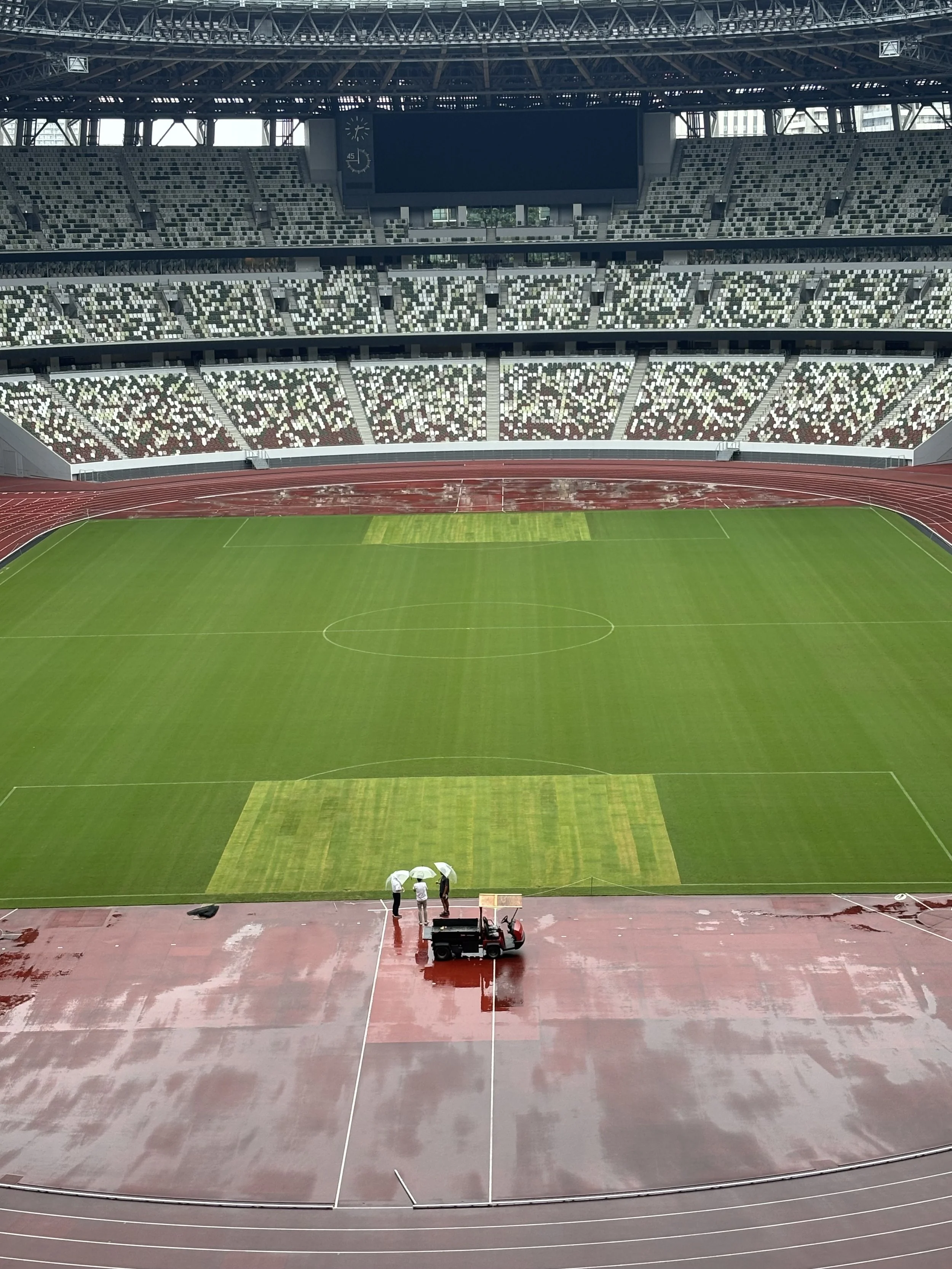
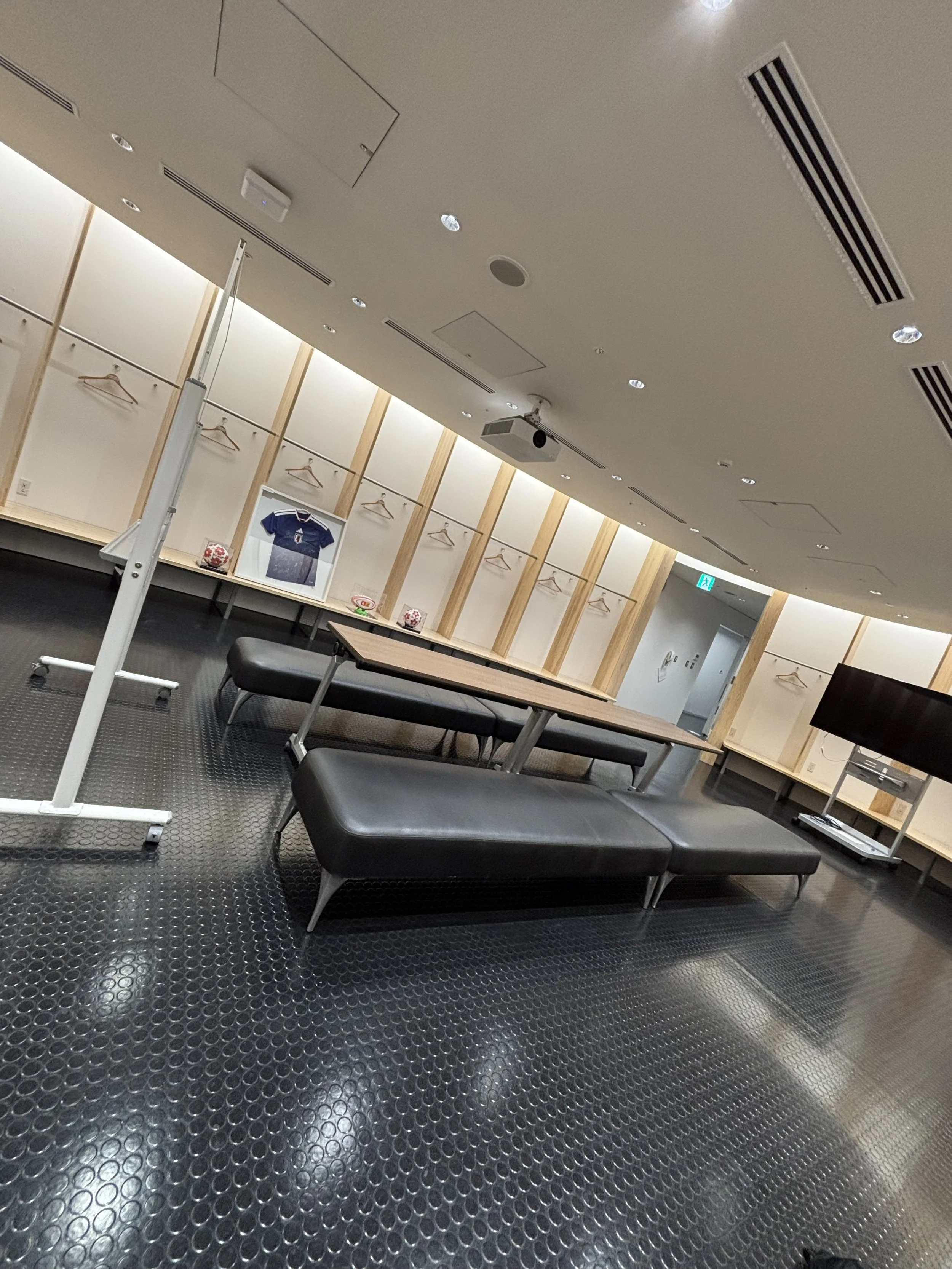
A visit to the National Olympic Stadium in tokyo features another textile innovation. In the entrance hall for athletes, a wall of the Samurai Blue, the Japan national team jerseys are on display. The display features every jersey worn by the team since the 1990s, displaying the technology innovations of high-performance materials. Visitors can identify the evolutions in fabrics and easily notice the moment when their kit became lighter weight and more graphic due to the technology evolutions.
This display of innovation showcases how a relentless practice of kaizen in industries and collaboration with outside organizations such as the athletic groups can lead to drastic improvements in products.
Types of Sports found in Japan?
Within Japan there are a wide range of sports and activities both team based and solo. Some sports are much more unique and mainly only found/ shown in japan and those that have come over from other parts of the world.
In the table below we will show you just some of the biggest sports within Japan that are both unique to Japan as well as those that have come from other reaches of the world.
| Japanese Sports | Western sports |
|---|---|
| Sumo Wrestling | Baseball |
| Judo / Karate | Football |
| Kyudo (Archery) | Rugby |
| Yabusame (Horse back archery) | Tennis |
| Kendo (Martial arts) | Basketball |
| Ekiden (Long distance running relay) | Golf |
| Odori (Community dance) | Snowboarding |
| Freestyle skiing | |
| Surfing |
All of the sports listed in the table above Japan is excelling in. With the western ranks, 22nd in the world within basketball being the lowest (according to FIBA) to being ranked number 1 in the world in baseball (according to WBSC). Then with the sports linked uniquely to Japan, like Judo with the highest national ranking points. To control the sumo wrestling scene with typically around 30-33 of the top 42 being from Japan. This shows that in terms of sports, Japan is a growing country that is now being successful not only in sports native to Japan but also in sports from the western world. From the The World Ranking of Countries in Elite Sport (WRCES) Japan is ranked 14th best country across all sports.
The reason for Japan to be excelling in such a wide range of sports will have to come down to a few factors. The discipline and commitment that the Japanese athletes have towards their sports. This can be proved by the core values and traditions within Japan. As well as the long rich history and sports unique to japan like Sumo where the sport is built on the ancient foundational principle of Shin-Gi-Tai. Also known as the 3 pillars of Sumo (Heart/Spirit, Technique, and Body). Japanese sports reflect on the deep cultural values based around character development, group harmony, and mutual respect not only that but also discipline and perseverance.
Are are core differences of Japanese sports from western sports?
In Japan, even with the individual sports, the emphasis is on what is your role within a group and how can you give back or participate the community at large. Sumo culture is a great representation of this, as the retired athletes actively remain part of the community.
Observing the traditional Japanese sports reveal an element of ritual and etiquette built into the organizational structure that show appreciation for the participants and facilities involved. This includes bowing, formal greetings and thanking of participants and officiants, synchronized and structured movements, and finally cleaning of facilities.
Utilising our private transportation services of TokudAw, you will be able to get the best experience out of this. We can give you a real glimpse into sports and the history of it. Showcasing you the wide range of museums within Tokyo and then allowing you to experience the sports heritage within the culture of Japan.
Looking into the sports culture of Japan, one thing can definitely be underlined and that is the 5 core pillars of Japanese sports education. Bukatsu, Seishin Kyoiku, Senpai-Kohai Dynamics, Holistic physical education and finally Unified Grassroots-to-Elite Systems. Below you will read what each pillar means
What are some ways that Japan can and has demonstrated strength in sports pillars?
One way that Japan can be able to showcase sports pillars is through something that has been happening since 1874 being health and sports day (renamed in 2018 to just sports day). Sports days are a massive part of the culture in Japan and are highly anticipated within the school calendar year. Sports days in elementary and junior high schools sometimes can take up to multiple weeks to prepare for. With sometimes high attendances from parents, grandparents and local community members school grounds often get packed up with spectators.
The pillars are drilled in the heritage and cultural aspects of these days because the children are taught to work as teams within team events. Be disciplined in defeat and celebrate those who have won. Sports days also allow children to participate for and represent their class and years adding in to the Unified Grassroots-to-Elite System pillar of being professional.
Another way where Japan has shown off these pillars is through the representation at the Olympics games through the years. From their first introduction to the olympics in 1912 when japan first participated at the stockholm olympics led by Jirgoro Kano to become a powerhouse within the Olympics within both 2021 when Japan achieved 58 medals (including 27 gold medals) and the 2024 paris olympics when they achieved their most overseas olympic medals ever with 45 medals (including 20 gold). Arguably all this success is all on the back of the Japanese athletes respecting and honouring the 5 pillars and carrying them over into the world of professional athletes. These pillars of sports education have been at the forefront of all the success Japan has been given over the years. Especially the modern years.
This can be linked back to all the individual pillars in their own ways. For example,
Bukatsu - this trail can teach you life lessons and solidarity.
Seishin Kyoiku - teaches you the rules of nature as well as being mentally strong.
Senpai-Kohai Dynamics - teaching you manners and to respect those who might look like they are on the same path as you but have a different way to get there.
Holistic Physical Education - teaches you participation in sports. Unless you are being competitive with yourself or a fellow runner, it will just be you on that path mentally.
Unified Grassroots-to-Elite Systems - teaches you to make the right decision for your body as well as being disciplined and knowing when you need to take time to rest.
Our experience with Sports within Japan
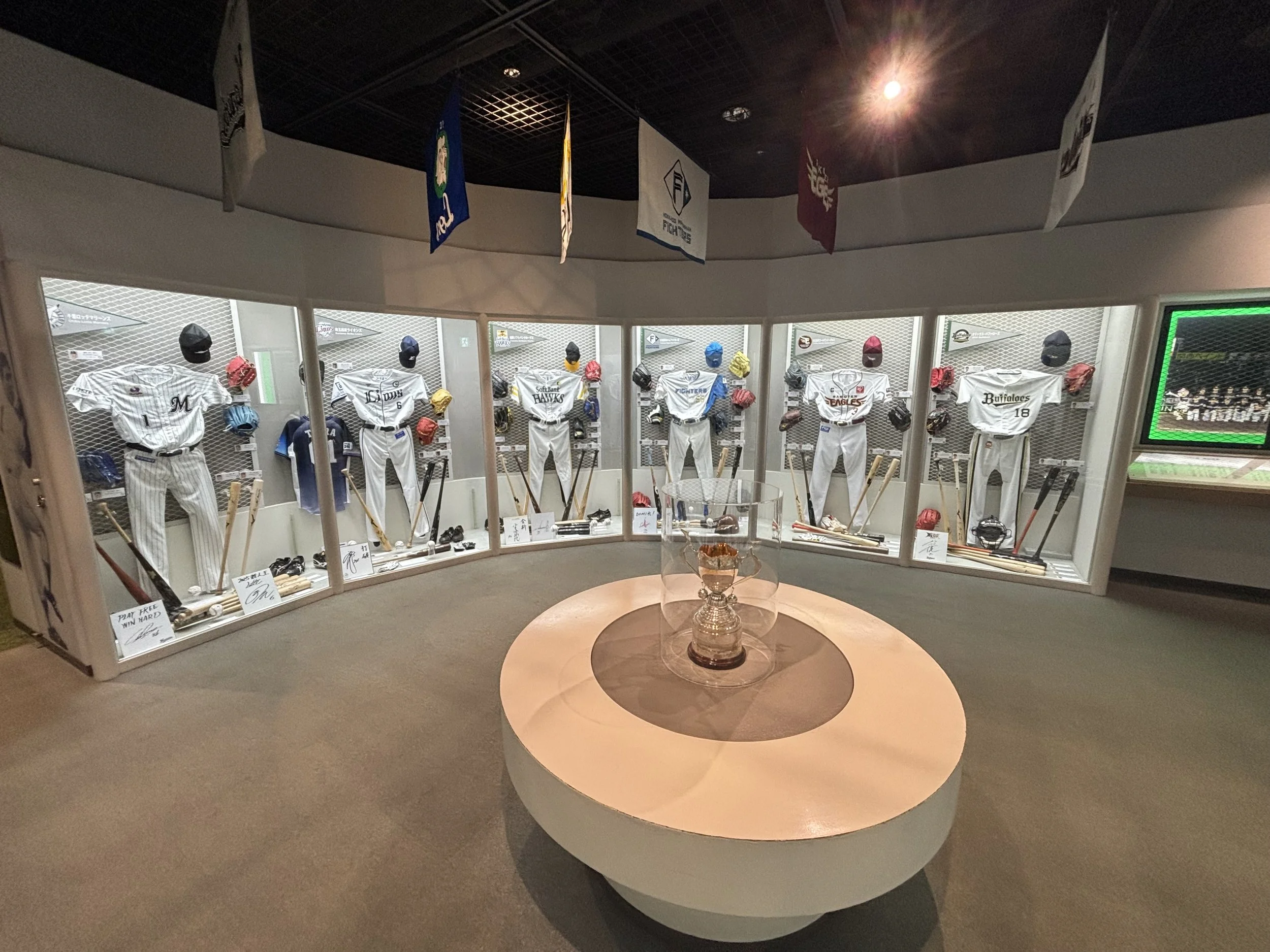
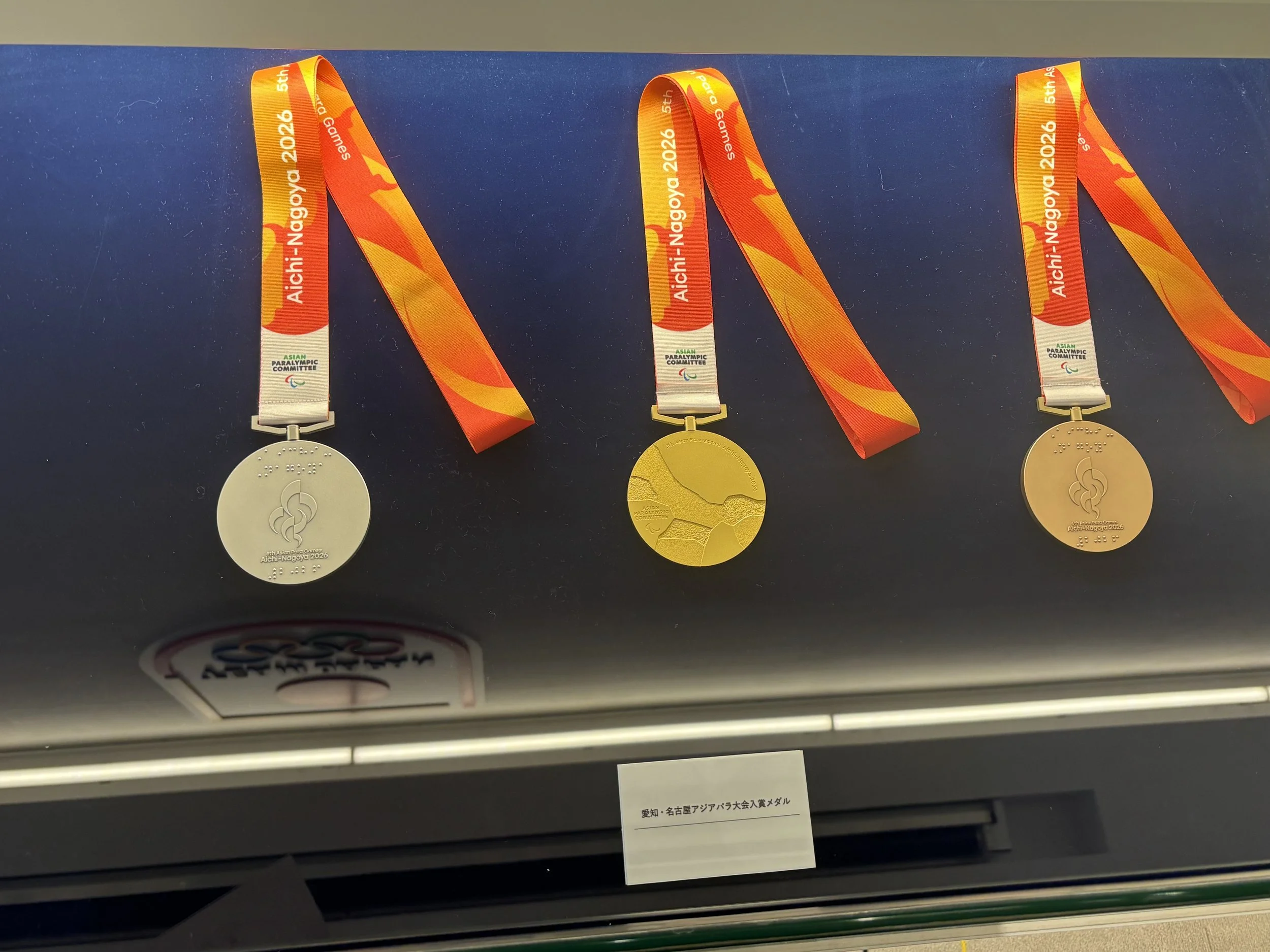
From our own experiences through watching sports in Japan as well as experiencing museums like the baseball museum and the olympic museum, it is clear that the history of sports is something Japan takes pride in. The people of Japan are proud to represent their country and showcase the talents that this island has to offer. We would have to say the main reasons why Japan is a great place for sports education is purely based on the values of Japan and how they are taught not only fundamental aspects of life but also the fundamental aspects of becoming an athlete and what comes with that. Whether it's respect for the sport or discipline to yourself. Furthermore due to the way japan view events like sports day it's clear that from a young age they want to inspire children to push themself in sports. Sports on a grassroute level are extremely accessible for the majority of the sports that get played within Japan. And for us that is why Japan is a great country for sports education.