

What can Business Students learn from Japan beyond the classroom
Museums and stops to consider visiting to learn about business in Japan
Japan is a valuable learning environment for business students, MBA groups, alumni meetings, and corporate visitors, not only through company meetings, networking events, and internships but also through museums, retail districts, transport systems, and cultural experiences with locals.
Combined with store visits, neighborhood walks, and business oriented cultural experiences, visits of major industrial museums such as Toyota or the Postal museum can turn a trip in Japan into a practical hands-on study of Japanese business cultural development if you know how to engage with the right question and right mindset while navigating the country.
| Experience | Best for |
|---|---|
| Toyota Museum | Continuity and innovation |
| Postal Museum | Network building and large-scale coordination, and diversification |
| Glicopia and Ajinomoto and food related museums | Turning product innovation into valuable customer experience |
| Robotics and Steam in every day life | Mobility studies, payment structures, and automation |
Toyota: Inspiring Innovations and continuous improvement
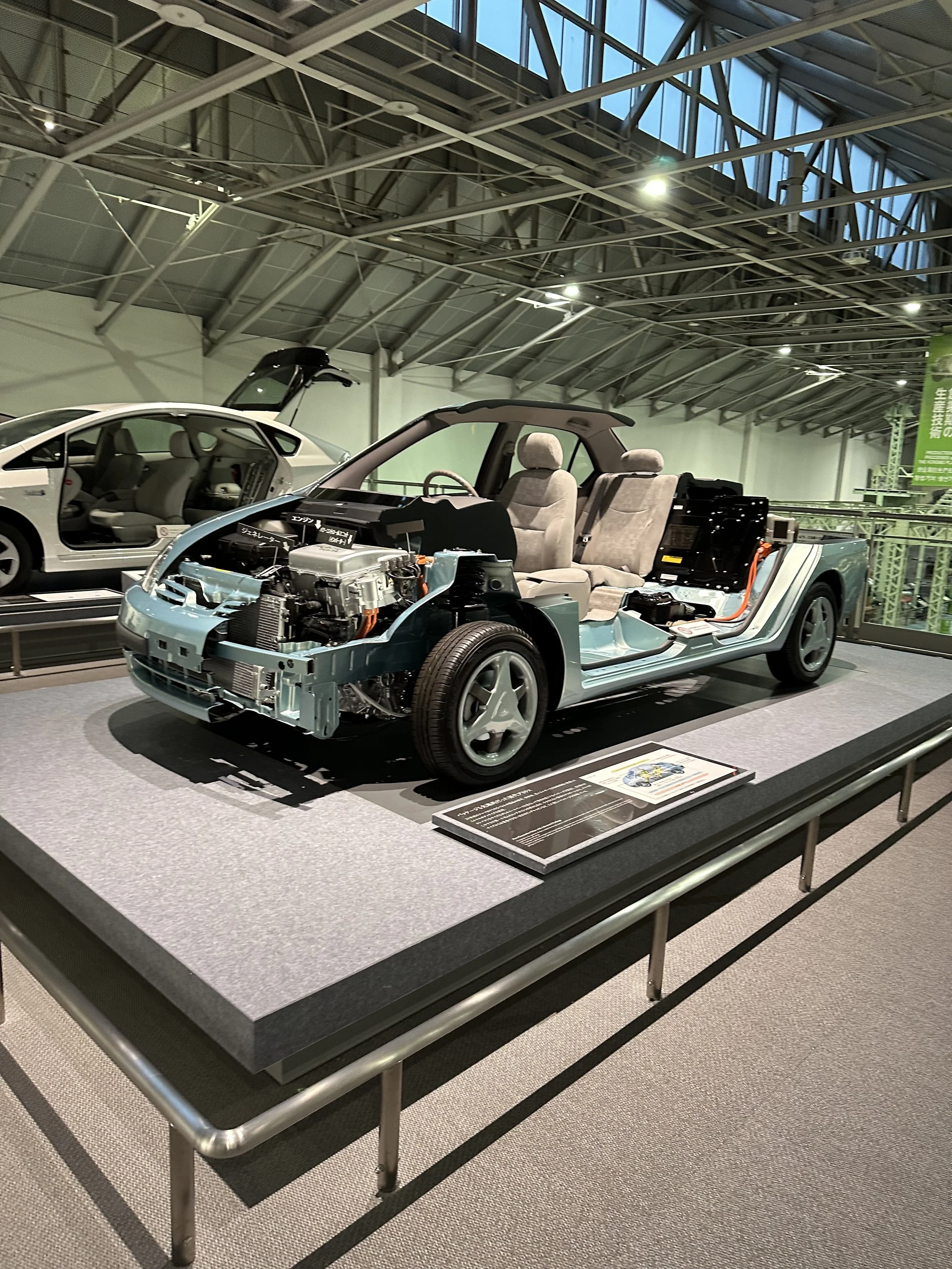
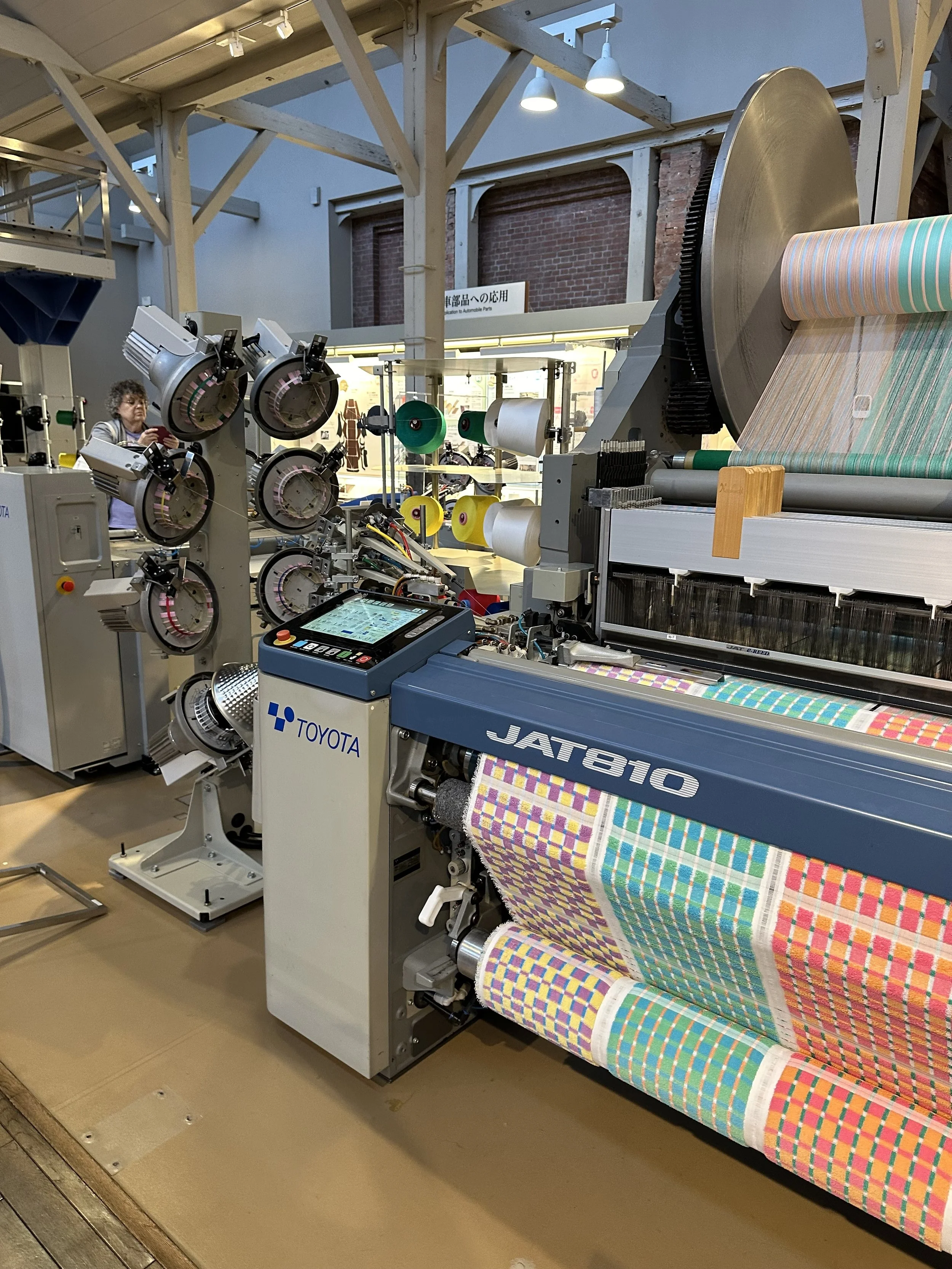
The Toyota Commemorative Museum of Industry and Technology showcases a collection of objects and information that highlight how a company can preserve its connection to its origins while continuing to reinvent itself. Visitors can trace Toyota’s development from textile machinery to global automobile manufacturing, and navigate early factory buildings as the museum is located on the company’s original industrial site. The textile portion of the museum is an embodiment of the Japanese philosophy of Kaizen, or incremental improvement with each machine just a little bit better than the last—all the way through to the modern era where Toyota’s machines demonsrate leadership and innovaiton in material science.
At the Toyota Commemorative Museum of Industry and Technology, students can examine how a company develops over time by building on what it already knows. The museum highlights the role of engineering, careful production, reliable standards, and the ability to evolve without losing a clear direction. An informed visit makes industrial development feel concrete rather than theoretical.
Postal Museum: Networks and Communication
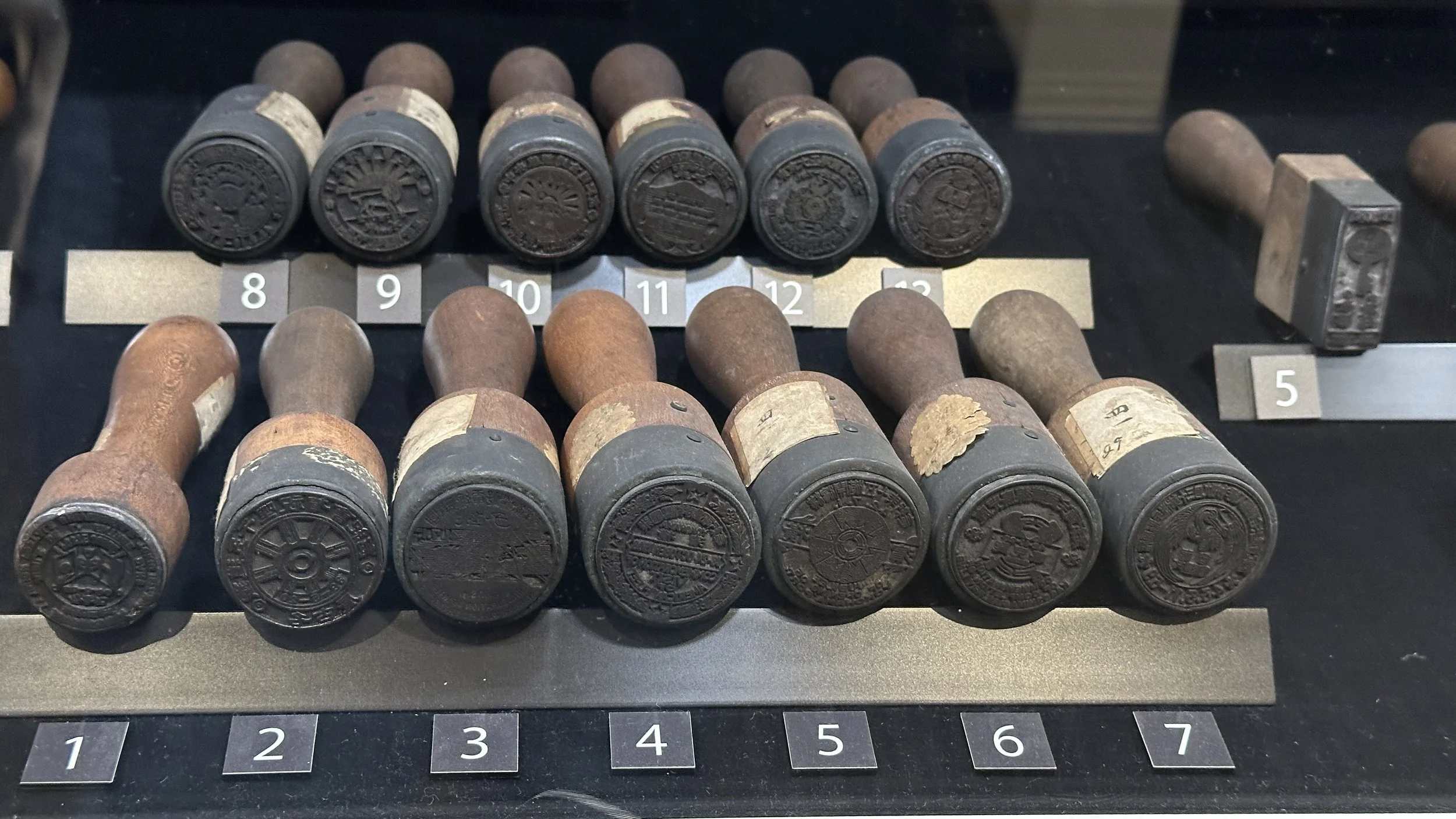
The collections from the Postal Museum Japan include archives of services, images, objects, systems of communications, and technological development that tell the stories of people who put their trust into a historical company.
Not only visitors can connect their visit to their own reflection around digital platforms, logistics, payment, customer services, public infrastructure, and global communication but they can also see by themselves that communication is not only about transmission but about the creation of sustainable relationships.
At the Postal Museum Japan, you can see that a network is never just one central organization but thousands of local actions, shared rules, recognizable symbols, and people working in coordination.
Glicopia: Food and Innovations Beyond Products
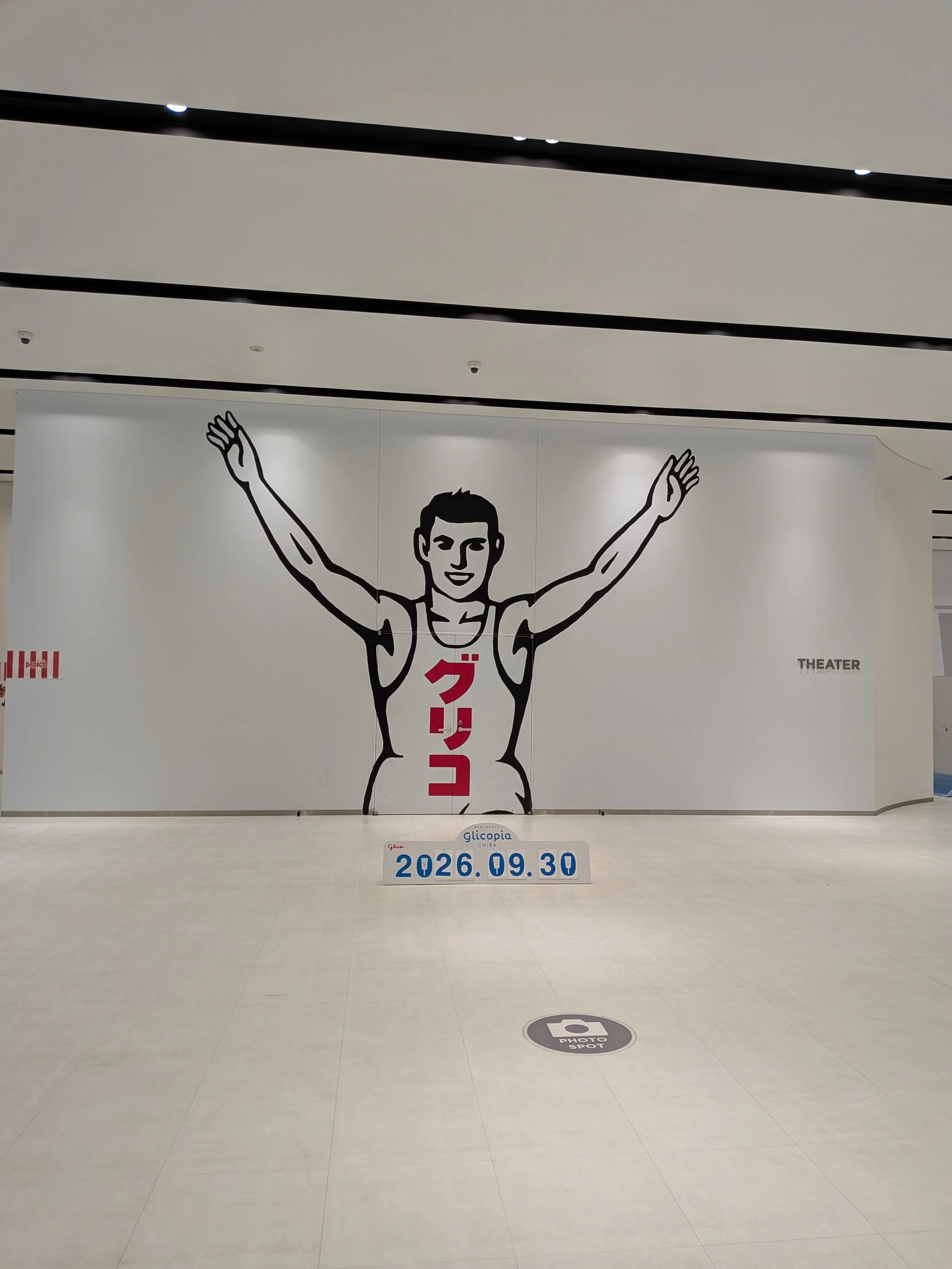
Is it possible to learn more about business while eating candy and snacks? Glico’s small caramel story offers a great starting point to understand how product development, engineering, and branding must work together to sustain a company’s identity and value in both products and production. By pairing nutrition with a clear energy message, Glico’s founder managed to blend physical products and interactive engagement. A rich lesson about “phygital” strategy.
Founder of Glico, Richii Ezaki, developed a candy containing oyster derived glycogen, tested and launched between 1921 and 1922. The innovative dimension of the product does not only lie in its ingredients but also in its manufacturing experimentation that allowed it to shape the candy as a heart and develop a red packaging.
Ezaki calculated the exact caloric and metabolic energy provided by the glycogen-infused caramel. He realized it gave an average child enough energy to run a specific distance, prompting the iconic slogan “ 300 m on just one caramel” and the image of the running-man symbol everybody knows .
Visiting the Glicopia museum in an invitation to discover both the history of the company but also the long lasting proposition they made to always innovate their customer’s experience. Whether it is with the movie-playing vending machines, the practical packaging, or Ice creams vending machines, visitors can better understand how innovation is not only based on new products but new ways to combine it with entertainment, lifestyle evolutions, and broader distribution.
From Ajinomoto Kawasaki and Glicopia Chiba, to the Kikkoman soy sauce Museum and the Kirin Beer Museum in Yokohama, TokudAw can provide informed Factory tours around Tokyo and nearby areas that let visitors watch and learn from production line and also enjoy samples.
Is it possible to turn my visits in Japan into interactive lessons?
Beyond the variety of museum visits that TokudAw can guide and curate to your group’s need and interest, TokudAw also provides crash courses in the city that provides you with hands-on and interactive learning fromJapanese business realities.
Exploring Ginza: Explore districts such as Ginza, where long-established merchants, global brands, coworking spaces, and new developments reveal different approaches to location and reputation.
Technology in daily life: Visit places where automation, retail technology, accessibility, and robotics are being tested in public settings.
Japanese Tradition, STEAM, and business: Plan visits or activities that allow you to learn from STEAM principles,Japanese tradition, and innovative business practices or systems like Onsen-villages.
Social innovation: Learn how businesses such as HERALBONY or BUNSHIN Robot Café DAWN connect design, inclusion, employment, and technology.
TokudAw’s Treasure Session: Engage directly with Japanese culture and learn by joining a craft workshop, food experience, temple stay, or guided local visit to understand the routines, values, and environments that can teach you valuable business lessons that would never be accessible in the classroom or a museum.
Japan offers opportunities to learn from historic companies, public systems, retail environments, emerging technology, and community-based initiatives.TokudAw is a Japan-based travel and business-support company founded by a scientist, creating learning journeys that connect visitors with Japan’s culture, technology, and working practices
Learn more about TokudAw’s Japan Business Service and Japan Corporate Travel.
FAQ
What can business students learn during a study trip to Japan?
TokudAw can show you what Japan has to offer beyond the classroom. Visits that share practical lessons in innovation, manufacturing, logistics, retail, technology, service design, and business culture through company visits, museums, neighborhood walks, and cultural experiences.
What are business-related museums to visit in Japan?
The Toyota Commemorative Museum of Industry and Technology, Postal Museum Japan, and Kuronekoyamato History Museum are strong options for learning about industrial development, communication networks, logistics, and customer-focused service design.
Can MBA groups arrange educational visits in Japan?
Yes. TokudAw can support MBA groups to combine museum visits, business meetings, retail observation, technology experiences, and cultural activities into a tailored programme. Find out more about our specific services : https://www.japancorporatetravel.com/
How can a walk in Ginza become a business culture tour?
TokudAw’s Ginza crash course is a guided walk that uses the district’s flagship stores, long-established merchants, retail spaces, and business environment to explore branding, customer experience, location strategy, and Japanese business culture.
Who can organize my business-learning itinerary in Japan?
TokudAw designs learning journeys for business students, MBA groups, alumni networks, corporate visitors, and international delegations, combining business, technology, culture, and traditional experiences.